What Can You Create With ElevenLabs?
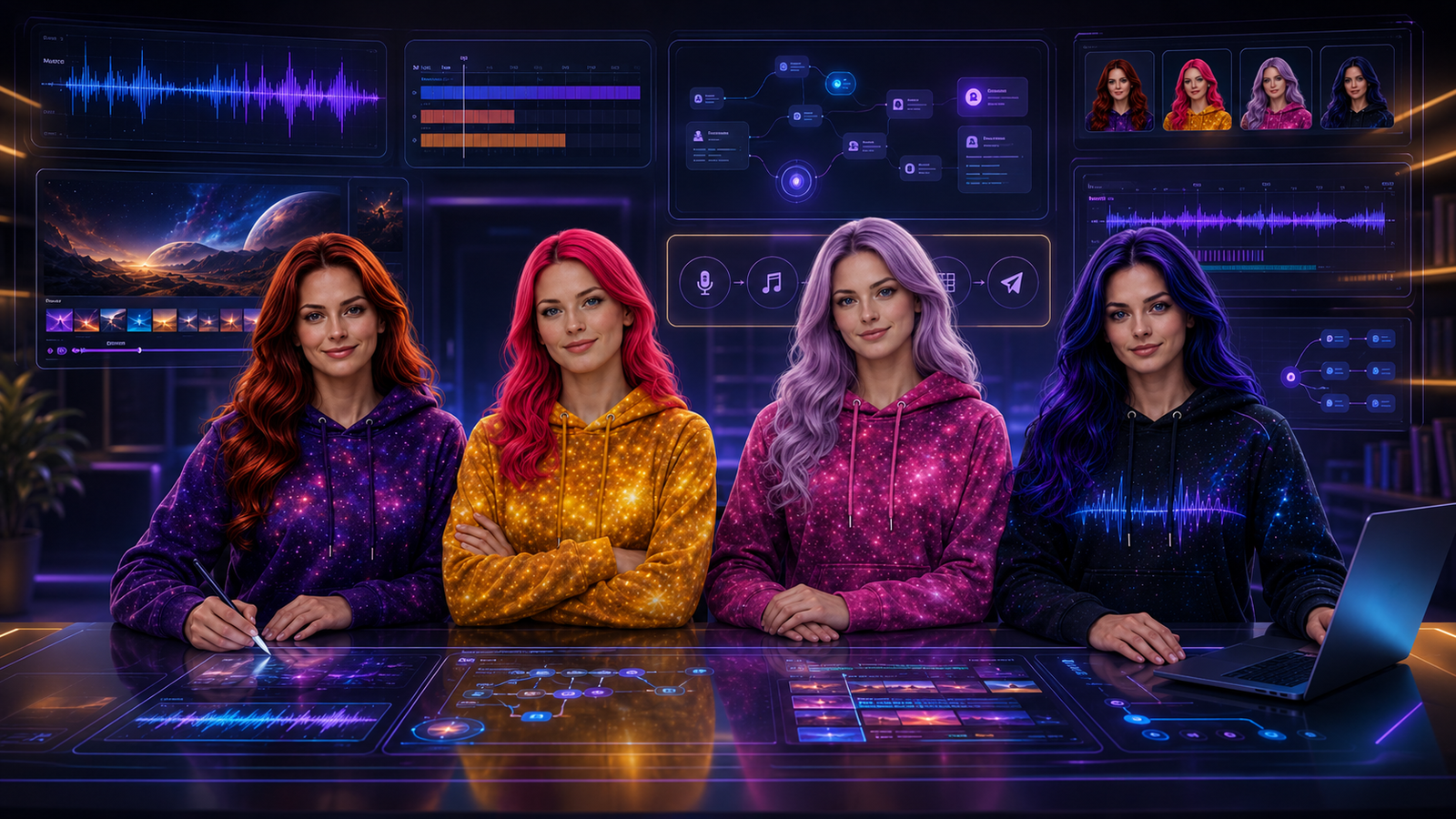
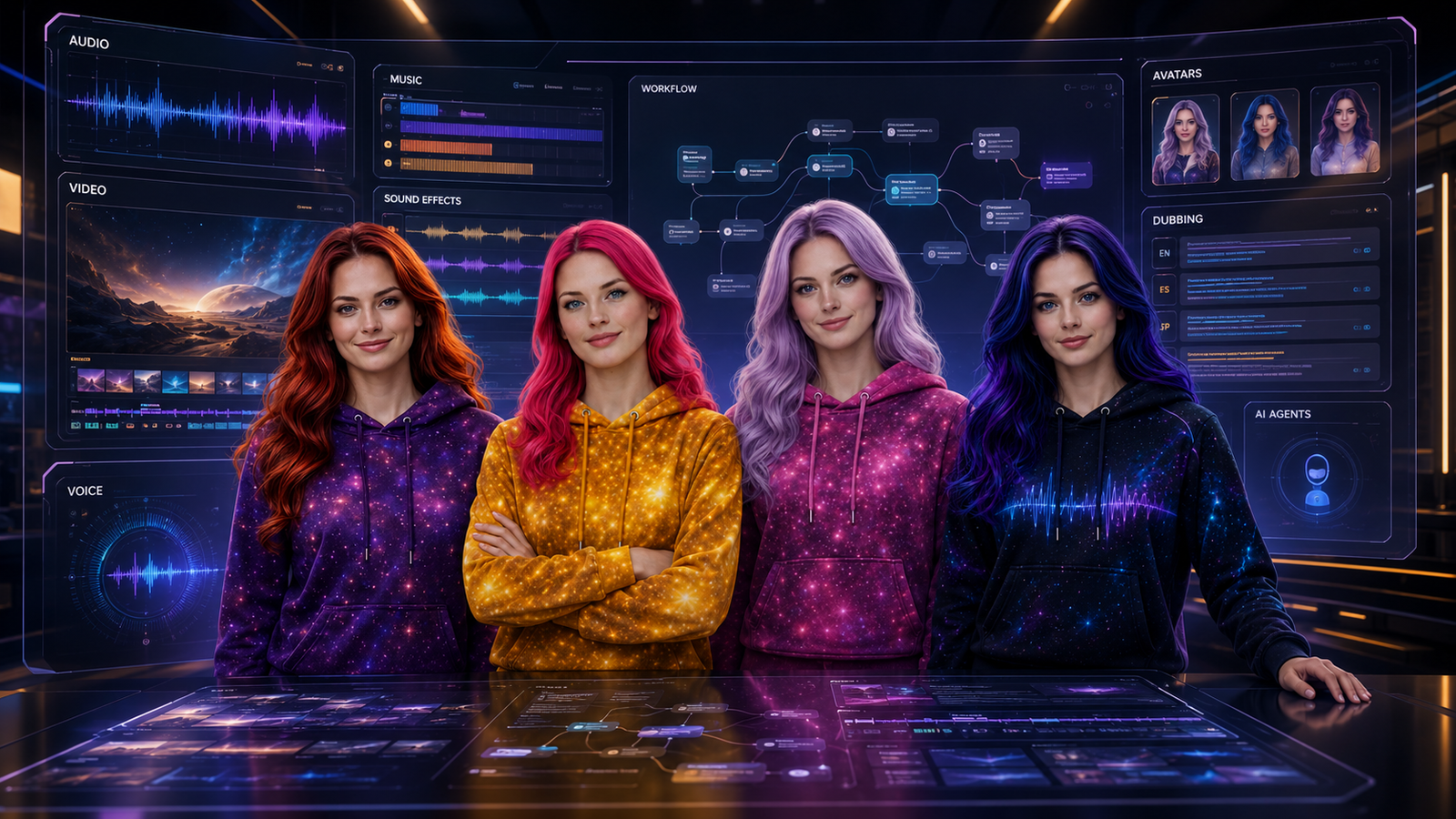
ElevenLabs is no longer just something creators should think of as an AI voice tool. It is becoming a broader creative workspace for voice, video, music, sound effects, dubbing, avatars, agents, and repeatable AI workflows.
What Is ElevenLabs Today?
Most people still know ElevenLabs for AI voice. That makes sense. Text-to-speech, natural-sounding narration, and voice cloning are the reasons many creators first paid attention.
But ElevenLabs has expanded into something bigger. Through ElevenCreative, ElevenAgents, and ElevenAPI, the platform now touches several parts of the modern AI creation stack.
ElevenCreative
The creator-facing workspace for generating, editing, and localizing audio and video content with tools for voiceovers, music, sound effects, images, videos, Studio, Flows, Templates, dubbing, and more.
ElevenAgents
The conversational AI side of ElevenLabs, built for voice and chat agents that can support sales, support, operations, lead qualification, and interactive experiences.
ElevenAPI
The developer path for connecting ElevenLabs audio AI models into apps, automations, products, workflows, and client projects through APIs and SDKs.
Why ElevenLabs Is More Than Text-to-Speech
Text-to-speech is still the easiest entry point. You write a script, choose a voice, generate audio, and review the result. That alone can be useful for videos, tutorials, courses, podcasts, and product explainers.
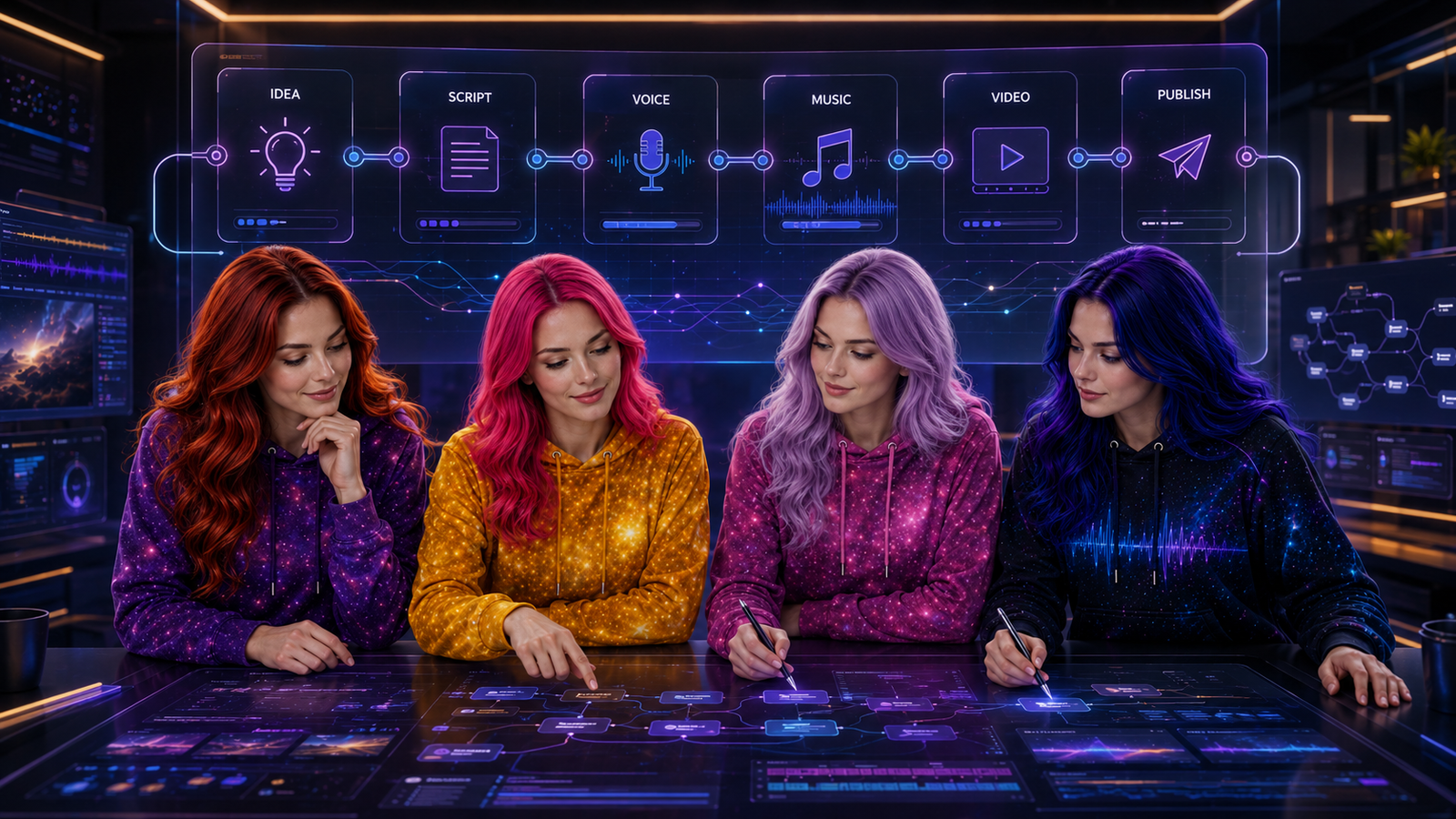
But the bigger shift is that creators rarely need only one output anymore. A modern content project may need a script, voiceover, soundtrack, sound effects, video clips, captions, localized versions, and repurposed social assets.
That is why ElevenLabs is interesting for AI workflow builders. It can become part of a repeatable system instead of being used as a one-off tool.
AI Voiceovers and Text-to-Speech
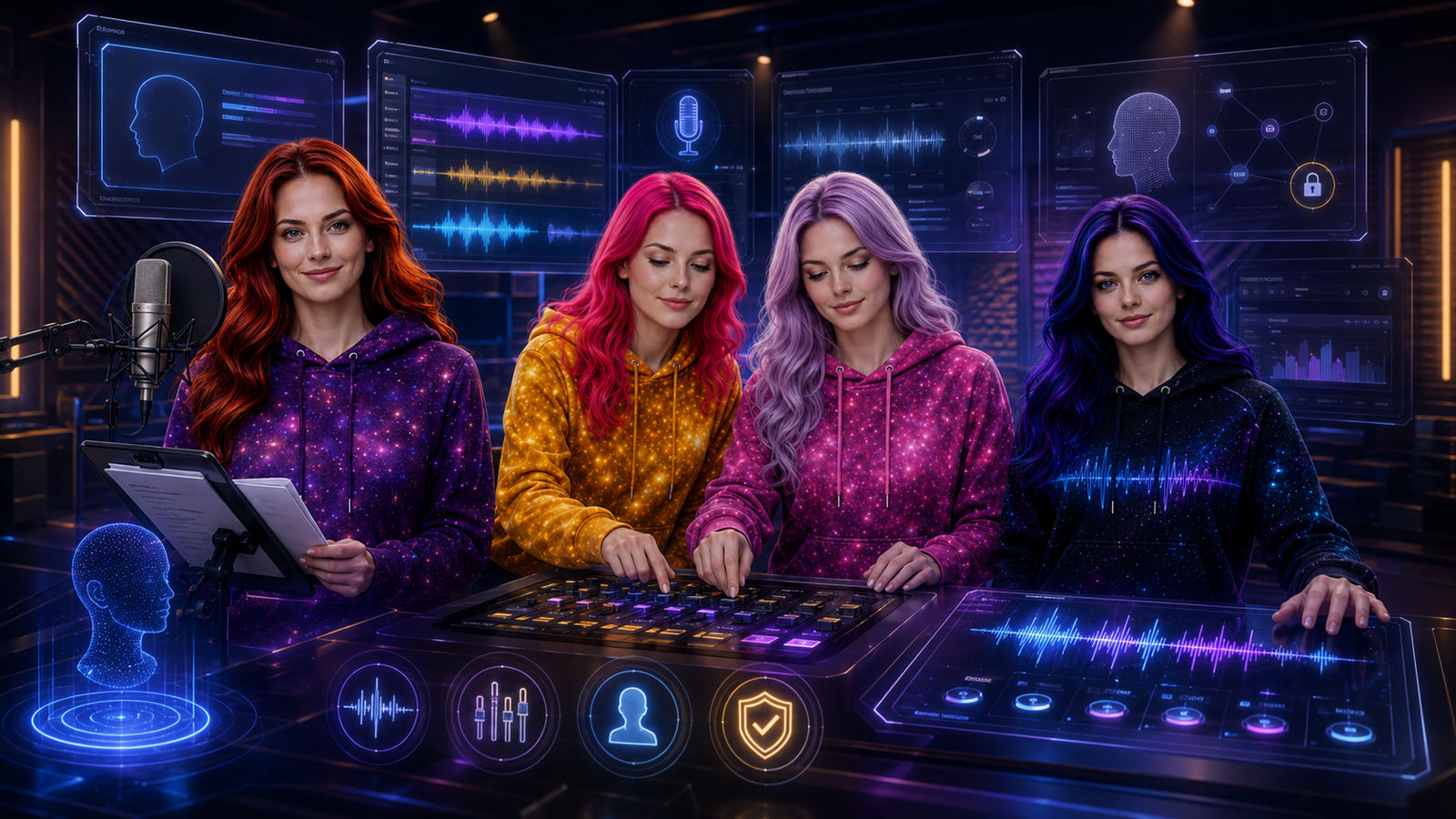
AI voiceovers are still one of the most practical ways to use ElevenLabs. If you already have a script, lesson, article, product explanation, or video outline, text-to-speech can help turn that writing into spoken audio.
For creators, that can support YouTube narration, tutorial voiceovers, explainer videos, social media reels, podcast intros, product walkthroughs, course lessons, and blog-to-audio content.
For small businesses, it can support training videos, onboarding content, customer education, local business explainers, and real estate listing narration.
The real value is not that AI voice removes creative direction. It is that it gives you a faster way to test scripts, adjust pacing, review tone, and build more consistent narration workflows.
Voice Cloning, Voice Changer, and Responsible Voice Use
Voice cloning and voice changing are powerful features, but they need to be handled carefully. Used responsibly, they can help a creator maintain a consistent voice across content, support approved brand narration, or create approved character voices for fictional content.
Voice Changer can also be useful because it lets a creator perform a line and preserve more of the rhythm or emotion of that performance while transforming it into an approved voice.
I would think of voice cloning as a consent-based identity tool, not a shortcut for copying people. Voice tools should build trust, not break it.
Speech-to-Text and Voice Isolator
ElevenLabs can also support the other side of the content workflow: turning speech back into text or improving audio that already exists.
Speech-to-text can help creators transcribe videos, repurpose podcasts, pull notes from interviews, create captions, or turn spoken ideas into written drafts.
Voice Isolator can help when a recording has background noise or when a spoken clip needs to be cleaned up before reuse. It will not make every imperfect recording publication-ready, but it can help rescue and improve source material.
This matters because not every creator starts from a clean written script. Sometimes the strongest ideas come from talking through them first.
Useful workflow idea
Record your thoughts, transcribe them, turn the transcript into a script, generate a voiceover, add music or sound effects, and repurpose the same idea into an article, video, or short-form post.
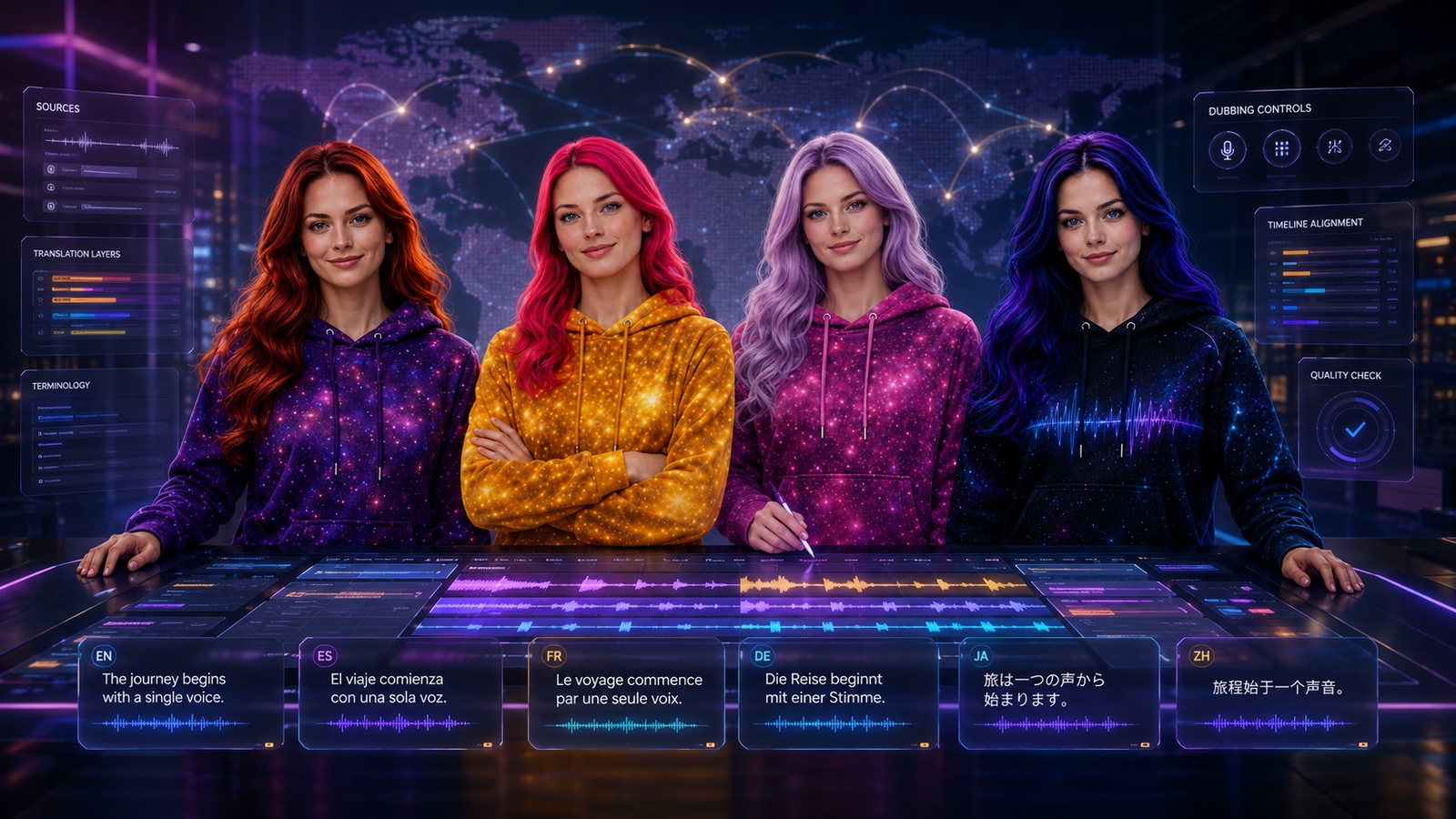
Dubbing and Localization
Dubbing is one of the most important parts of the ElevenLabs ecosystem for creators who want their content to travel further.
A tutorial, course lesson, product video, training resource, or educational clip can potentially be adapted into other languages without recording every version manually from scratch.
For creators, this can support multilingual YouTube content, localized courses, international tutorials, and more accessible educational material. For businesses, it can support training localization, product education, customer support content, and campaign adaptation.
Sound Effects and Music
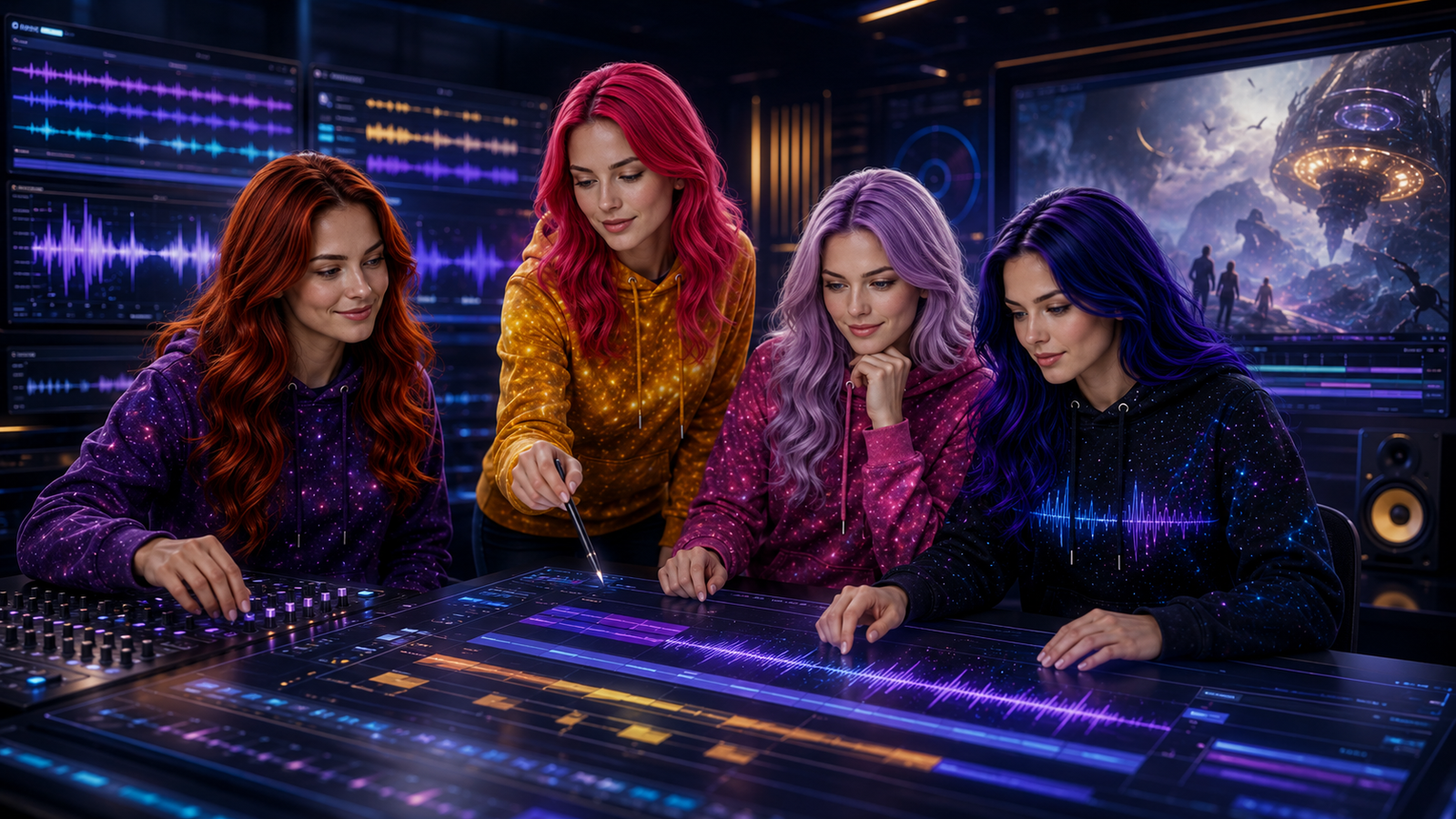
Voice is only one part of how content feels. Music and sound effects can shape the emotion, polish, pacing, and atmosphere of a piece of content.
Sound effects can support reels, trailers, product demos, tutorials, AI-generated scenes, transitions, and character-universe content. Music can support video intros, podcast beds, branded content, educational videos, and cinematic storytelling.
This is where ElevenLabs starts to feel more like an AI production layer. If a creator can work with voice, music, and sound effects in a more connected workflow, the finished asset can feel more complete.
Image, Video, Lip-Sync, and Avatars
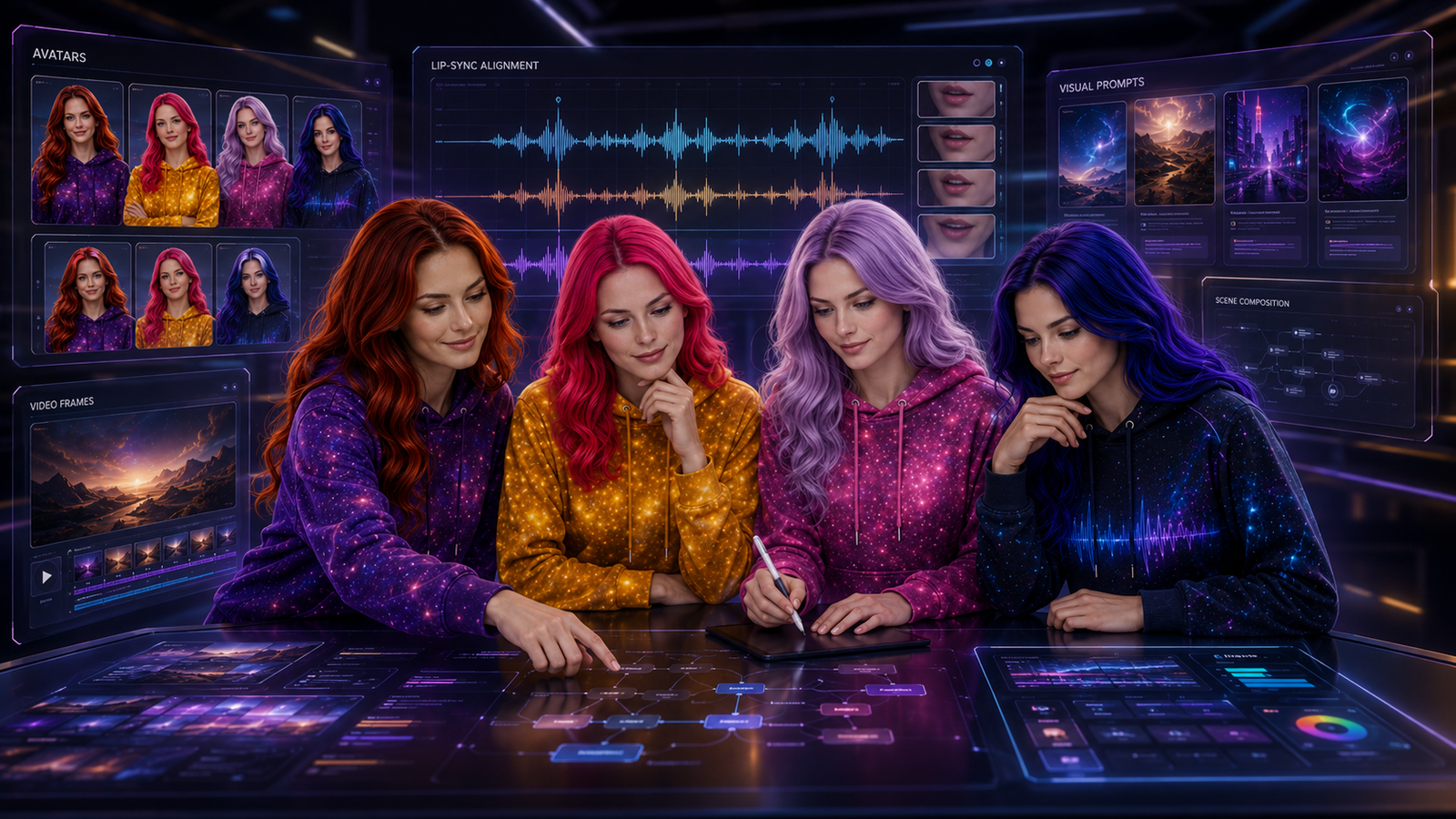
This is the part that changes how creators should think about ElevenLabs. The platform is not only about generating audio anymore. It now connects to visual creation through image, video, avatar, and lip-sync workflows.
That can matter for faceless videos, presenter-style content, character videos, educational clips, product explainers, short-form posts, and early visual drafts.
For The Real AI Agents, this is especially interesting because so much AI content now blends script, voice, music, sound, visuals, motion, and publishing into one connected workflow.
ElevenCreative Studio, Flows, and Templates
Studio is where ElevenLabs begins to feel less like a single-output generator and more like a production workspace. Instead of creating one isolated asset, creators can think about assembling voice, music, sound effects, captions, video, and final exports inside a more complete project environment.
Flows and Templates are especially important for workflow builders. They point toward repeatable creative systems where steps can be mapped, reused, improved, and adapted.
Audiobooks, Audio Native, and Long-Form Publishing
ElevenLabs also has use cases for long-form content. Audiobook workflows can matter for authors, educators, coaches, digital product creators, and anyone with written material that could become audio.
That could include guides, course lessons, training materials, books, educational resources, and long-form blog content.
Audio Native is also interesting from a publishing perspective because it connects to the idea of listenable web content. A written article can become something people can listen to while working, creating, commuting, or researching.
Long-form content use cases
- Audiobook-style narration
- Course audio
- Training materials
- Audio versions of articles
- Digital product support content
- Educational resource libraries
Ads Engine and Business Creative Localization
For businesses, agencies, and marketing teams, ElevenLabs also points toward more advanced use cases around ad creative and localization.
Instead of thinking about one video or one voiceover, businesses can think about adapting campaigns across formats, languages, audiences, markets, and creative variations.
This is more advanced than the beginner creator workflow, but it is important because it shows where AI creative tools are going: toward production pipelines, campaign systems, and localized creative at scale.
Conversational AI and Voice Agents
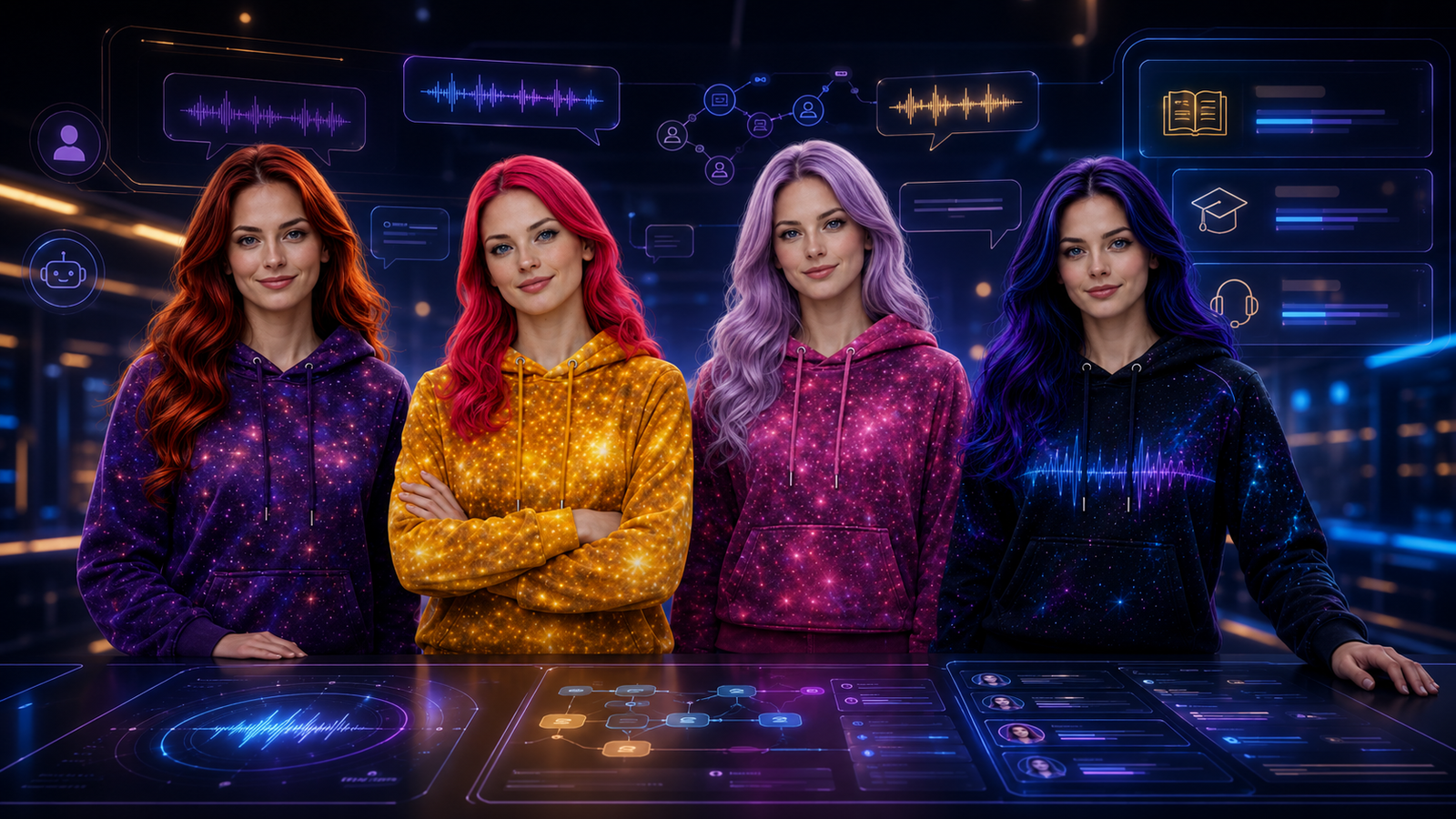
ElevenAgents is where ElevenLabs moves from content creation into interaction. A voiceover is something someone listens to. A voice agent can respond, guide, answer, route, and support a task.
For creators, that could eventually support interactive website assistants, course helpers, educational guides, AI character experiences, or audience-facing demos.
For businesses, it can connect to customer support, lead qualification, booking, onboarding, phone agents, website assistants, and internal workflows.
Where ElevenAPI Fits
ElevenAPI is the developer path. It matters for builders, technical teams, agencies, and workflow designers who want to connect ElevenLabs capabilities into products, automations, websites, apps, and client systems.
A creator may never need the API to benefit from ElevenLabs. But if you are building an app, automating a content pipeline, adding voice to a product, creating a transcription workflow, or connecting AI audio into a custom system, the API path is the advanced layer.
How TRAIA Would Use ElevenLabs
For The Real AI Agents, ElevenLabs fits into a much bigger creative system. I would not look at it as one tool for one output. I would look at it as a possible layer inside a larger creator workflow.
Creator content
Tutorial narration, YouTube intros, blog-to-audio versions, product walkthroughs, short-form video scripts, podcast beds, music layers, and sound effects.
Agent and character work
Approved character narration, agent voiceovers, avatar concepts, AI video support, and future interactive voice experiences.
Workflow systems
Repeatable creative Flows, asset pipelines, localized content, audio-first publishing, and future API-connected creative systems.
The bigger value is not only speed. The bigger value is consistency. Voice matters. Sound matters. Presentation matters. Repeatability matters.
Who ElevenLabs Is Best For
ElevenLabs can fit different users depending on what they are building. The best use case depends on whether you need content, audio, video, localization, agents, or technical integration.
What To Be Careful About
ElevenLabs is powerful, but that does not mean every use case is simple or every output is ready to publish without review.
Rights and commercial use
Commercial rights may depend on the plan, product, feature, output type, and current terms. Review current ElevenLabs terms before using outputs in paid products, ads, client work, or business campaigns.
Voice and likeness consent
Do not clone voices, transform voices, generate avatars, or use likeness-based tools without proper permission, rights, and review.
Human review
Check accuracy, translation, pronunciation, tone, timing, brand fit, captions, and final quality before publishing.
ElevenLabs is worth exploring as a creative workflow layer.
For beginners, the easiest place to start is likely text-to-speech or voiceover generation. For creators, the next layer is sound effects, music, dubbing, visual workflows, and Studio projects. For more advanced users, Flows, Templates, Agents, and API workflows may become the most interesting parts.
The real power is not treating ElevenLabs as a one-click shortcut. The real power is using it as part of a thoughtful creator system.
For more TRAIA workflow resources, visit the Prompting Hub or explore the TRAIA Creator Network.