

We were building characters, but the AI world kept moving.
This week, we have been deep in character model creation, avatar consistency, training looks, and building the visual side of The Real AI Agents universe. But while we were focused on creative systems, Anthropic dropped one of the hottest AI model releases of the week: Claude Fable 5.
And this one matters.
Not because creators need another model name to memorize, but because Claude Fable 5 shows where AI agents are heading next: longer tasks, deeper reasoning, stronger coding, better research, more serious safeguards, and models that are starting to feel less like simple chat tools and more like project partners.
The big shift: AI is moving from “answer this prompt” toward “help me build, analyze, debug, plan, document, and improve this entire workflow.”
What is Claude Fable 5?
Claude Fable 5 is Anthropic’s newest public model and the first Mythos-class Claude model made generally available with safeguards.
In plain creator language, that means Anthropic is bringing a higher capability tier of Claude to everyday users, but with safety systems wrapped around the most sensitive areas. According to Anthropic, Fable 5 exceeds its previous generally available models and is especially strong in software engineering, knowledge work, vision, scientific research, memory, and long-context tasks.
That last part is important. Fable 5 is not just positioned as a better quick-answer model. It is being positioned as a model that gets more useful when the task is bigger, messier, longer, and more layered.
Creator translation: this is the kind of model you would test on website planning, code troubleshooting, research synthesis, prompt systems, content architecture, automation design, agent workflows, and complex project organization.
What does “Mythos-class” mean?
“Mythos-class” is Anthropic’s way of describing a higher capability tier above its previous public Claude models. Earlier Mythos-level capabilities were connected to Project Glasswing, where Anthropic limited access because the model showed unusually strong cybersecurity capabilities.
Claude Fable 5 is the public-facing version of that next model tier. Anthropic says Fable 5 and Mythos 5 share the same underlying model, but Fable 5 includes safeguards for general use, while Mythos 5 is restricted to trusted groups with some safeguards lifted.
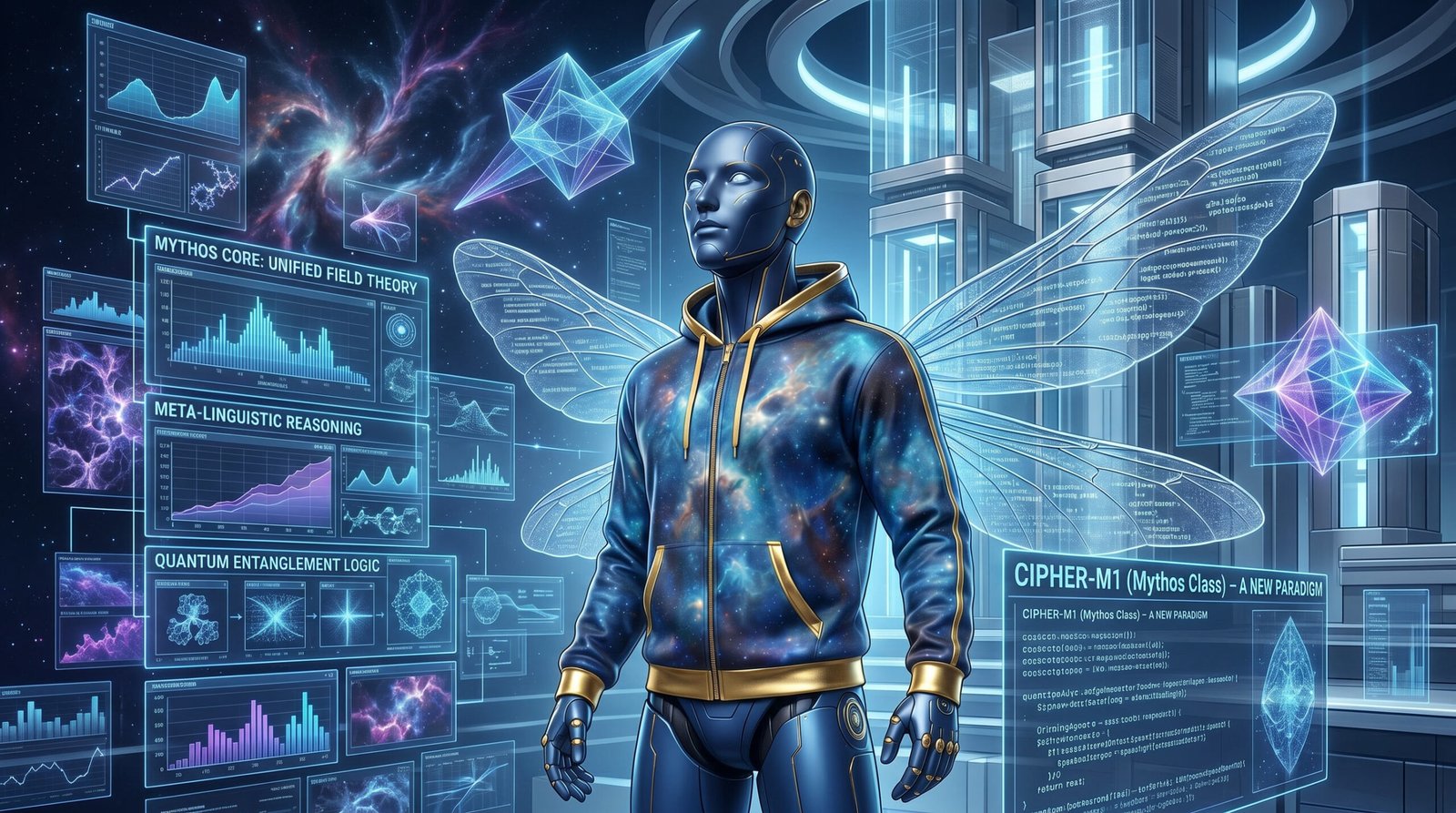
For creators and builders, the exact model class name matters less than the direction it represents. We are watching AI move into a phase where the most capable models are being designed for serious work: codebases, analysis, research, visual reasoning, complex documents, and autonomous tasks that require follow-through.
That is why this release is bigger than a benchmark story. It is a workflow story.
Watch next: Project Glasswing and the Mythos conversation
Before Claude Fable 5 became the public-facing Mythos-class model, we talked about Project Glasswing and why Anthropic was being careful with these capabilities. That earlier conversation connects directly to what is happening now with Fable 5, Mythos 5, safeguards, and trusted-access model releases.
Why Fable 5 is the safeguarded public version
The most important part of this release is not just capability. It is access.
Anthropic is releasing Claude Fable 5 for general use, but it is also limiting how the model responds in sensitive areas such as cybersecurity, biology, chemistry, and distillation-related requests. If a request triggers those safeguards, Anthropic says the response is handled by Claude Opus 4.8 instead of Fable 5.
That may sound like a technical detail, but it tells us something important about where frontier AI is going.
Capability is rising
Models are becoming stronger at coding, reasoning, visual analysis, long-context work, and multi-step project support.
Access is becoming layered
The most powerful versions may not always be available to everyone in the same way.
Safeguards are part of the product
The model story is no longer only “how smart is it?” It is also “where can it be trusted?”
Trusted access may become normal
Advanced capabilities may roll out differently depending on the user, use case, and risk area.
For creators, agencies, educators, and small businesses, this is a preview of the next big AI conversation. We are moving from “which model is smartest?” to “which model can I trust inside a real workflow?”
Why long-horizon coding and analysis matters
One of the biggest reasons Claude Fable 5 is worth watching is its focus on longer, more complex tasks.
Long-horizon work means the model is not just helping with one isolated answer. It is staying useful across a larger process that may require planning, context, revision, analysis, and follow-through.

For creators and builders, this is where the release becomes practical. Long-horizon capability could matter when you are asking AI to help with things like:
- Debugging a website across multiple sections or files
- Planning a full blog, video, and social content system
- Reviewing a content strategy and turning it into an actual workflow
- Building reusable prompt frameworks instead of one-off prompts
- Organizing a character universe, training guide, or brand system
- Comparing tools and turning scattered research into usable decisions
- Planning automations for forms, email lists, client intake, and content operations
- Reading screenshots, documents, charts, or tables and turning them into action steps
The creator bottleneck is changing. For a lot of us, the problem is not imagination anymore. The bottleneck is execution. Models like Claude Fable 5 matter because they move closer to helping with execution across bigger projects.
Where creators might feel Claude Fable 5 first
If you are a creator, builder, educator, or small business owner, the real question is not “what benchmark did it beat?” The better question is: where would I actually feel this in my workflow?

Website building
Claude Fable 5 could be useful for planning page structure, improving copy, reviewing HTML sections, debugging layout problems, organizing internal links, and helping turn scattered website ideas into cleaner user journeys.
Automations
More capable reasoning helps with workflow design. A creator could use a model like this to map automations between forms, email lists, content calendars, client intake systems, social workflows, and AI tools.
Research and explanation
Advanced models are becoming more useful for taking complicated releases, technical announcements, charts, and policy details and turning them into explanations that normal creators can actually use.
Prompt systems
Better models can help creators move from one-off prompting into repeatable systems: prompt templates, comparison tests, dataset captions, brand instructions, visual bibles, content frameworks, and model-specific workflows.
Agent workflows
Claude Fable 5 matters because it supports the shift from “chatbot” to “agentic assistant.” Instead of only answering a single question, these models are moving toward helping across the full task: plan, analyze, build, revise, test, and document.
Character and creative systems
Since we have been working on character model creation this week, this one stands out. A stronger long-context model can help manage character bibles, training looks, caption datasets, prompt consistency, image metadata, naming systems, and universe continuity. That is valuable when you are building a full AI brand world instead of a single image.
What builders should test first
A model like this should not only be tested with simple questions. If you want to understand whether Claude Fable 5 matters for your workflow, give it layered tasks that require context, reasoning, and structure.
- Give it a full website page and ask for structural improvements.
- Ask it to turn a messy idea into a blog outline, YouTube outline, and social post pack.
- Give it a prompt system and ask it to improve consistency.
- Ask it to compare AI tools for one specific creator workflow.
- Use it to plan an automation from start to finish.
- Give it a character bible or brand guide and ask it to identify inconsistencies.
- Ask it to turn source research into a creator-friendly explanation.
- Use it as a second brain for a long-term content system.
The point is not to see whether it can answer a trivia question. The point is to see whether it can help you move from idea to organized execution.
What this means for builders and AI agents
Claude Fable 5 points toward a future where AI agents are not just novelty tools. They are becoming practical assistants for builders.

For creators, this means more advanced project planning, better coding help, stronger research support, cleaner content systems, more reliable workflow design, stronger brand continuity, and more realistic AI assistance for business operations.
That connects directly to the mission behind The Real AI Agents. We are not here to chase every AI headline blindly. We are here to test the tools, understand what they actually do, and translate them into real workflows for creators and builders.
The real shift is from prompting to partnering
Claude Fable 5 is not just another model name to memorize. It represents a larger shift in how AI tools are evolving.
The next phase is not only about writing better prompts. It is about building better systems, using AI to support longer creative and business tasks, and learning how to work with models that can reason across more of the process.
The creators who win with these tools will not be the ones who chase every release without direction. They will be the ones who learn how to test new models, understand what they are actually good at, and plug them into real workflows with intention.
“Claude Fable 5 is not just another model release. It is a signal that AI is moving from prompt response to workflow partnership.”
— Jessica, The Real AI Agents
Bottom line: Claude Fable 5 matters because it shows where AI agents are going: away from simple prompt responses and toward serious workflow partnership.
Sources and further reading
This article is based on Anthropic’s official Claude Fable 5 and Claude Mythos 5 announcement, Reuters coverage, Anthropic’s Project Glasswing update, and our earlier Glasswing discussion on The Real AI Agents.
Want to turn better AI models into better workflows?
Explore the Prompting Hub to learn how better prompts, stronger structure, and clearer creative direction can turn AI tools into repeatable workflows for content, visuals, websites, and agent systems.